
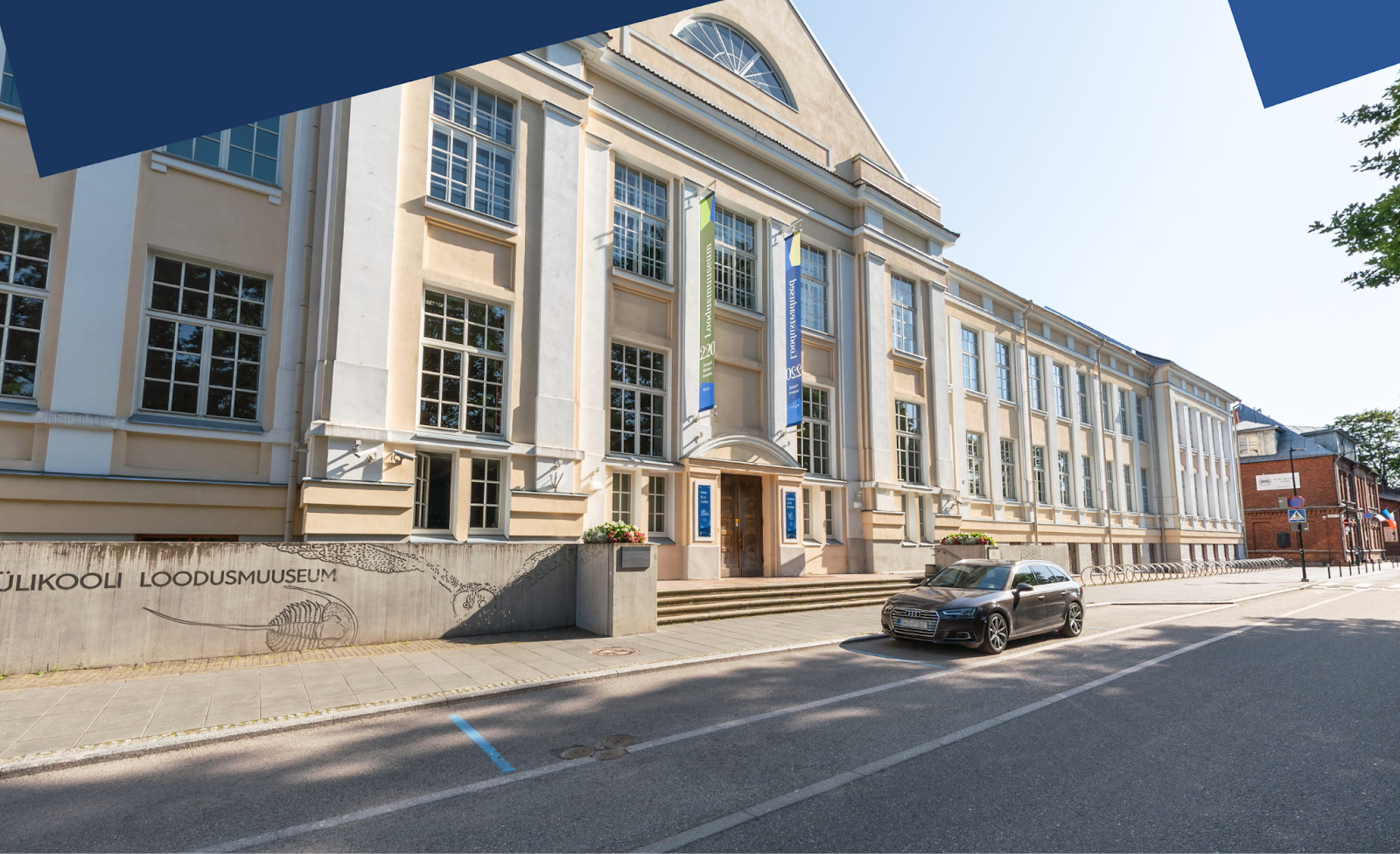
As academic researchers, we often focus deeply on our own research, sometimes overlooking the wide range of work happening across other fields. So, I decided to research different research groups in the Faculty of Science and Technology and spread their goals. Exploring what others are studying helps us see how different areas connect and, together, how we contribute to society. In this blog, I have highlighted just one example from each institute, as the amount of research being carried out is extensive. Each group is involved in many other projects as well, so if something catches your interest, check it out!
Institute of Computer Science
TartuNLP is one of the world’s leading Natural Language Processing (NLP) groups for low-resource languages. What is NLP you ask? It’s a subfield of AI that teaches computers to understand and generate human language (text and speech). The main focus of the research is to enable computers to process Estonian more effectively. It helps ensure that languages, which are non-native to many people, like Estonian, are not left behind in the progressively improving AI systems.
Institute of Bioengineering
Alphaviruses and antiviral research. Alphaviruses are common viruses that infect humans through mosquito bites. Studying these viruses on the molecular level and developing antiviral strategies is directly relevant to emerging infectious diseases. But why? I think you have never heard of these viruses. This research is very important because of global warming: mosquitoes are migrating north, so many more humans are being bitten.
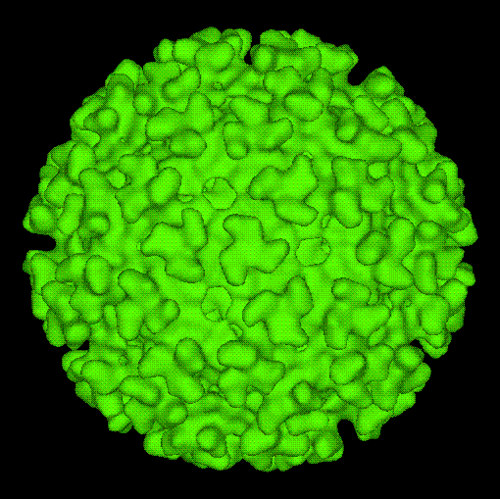
Computer-generated model of an Alphavirus. [Credits: Wikipedia]
Estonian Marine Institute
Project “GlintMapper”. One of the biggest problems in environmental monitoring is the difficulty of accurately observing lakes and coastal waters near shorelines. Satellites are powerful, but when light reflects from nearby land, it interferes with the signal coming from the water itself. Also, shallow lake bottoms, vegetation, and reflections from the sun and sky are factors of a distorted signal. Therefore, researchers use a robot boat that is equipped with advanced sensors. This robot measures what’s really happening in the water and compares it with satellite signals. They are trying to develop algorithms to clean up satellite images. It will improve monitoring of water quality and ecosystems.
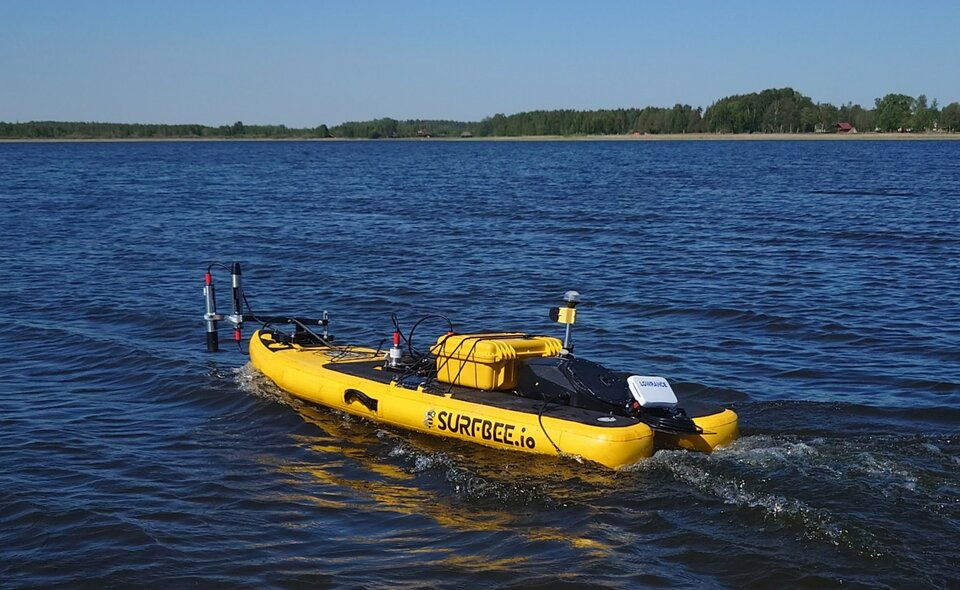
Roboat in the action [Credits: Tuuli Soomets (Marine Institute, Glintmapper project website)]
Institute of Physics
The Laboratory of Sensor Technologies studies sensors based on low-dimensional materials. For example, one of their projects is to develop portable air quality sensors and electronic noses that consume low power. Electric noses mimic the human sense of smell, or, in this lab research, detect the early stages of neurodegenerative diseases. This sounds insane. How, through the air, is it possible to detect the disease? We should wait for their publications to answer this question…
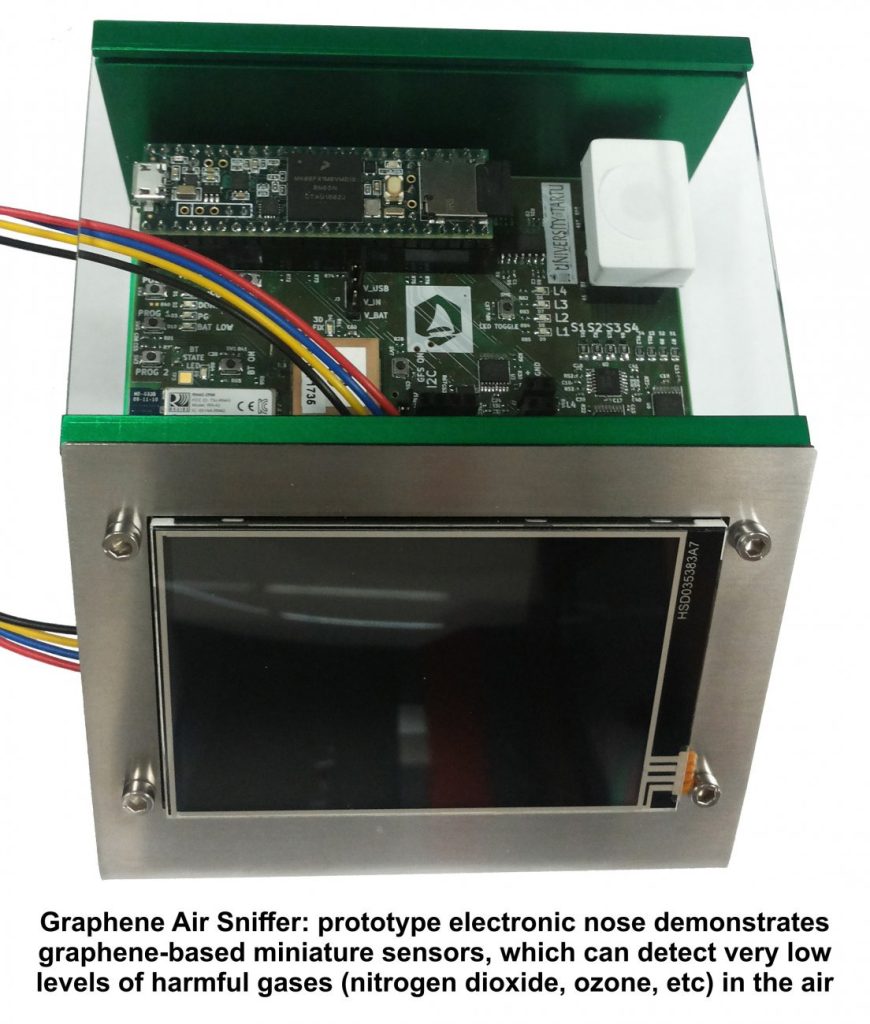
This is the prototype of the electronic nose. [Credits: Institute of Physics, Sensor Technologies Lab website]
Institute of Genomics
Bioinformatics and Genomic Epidemiology research focuses on understanding how our genes influence complex diseases. They use large datasets, such as the Estonian Biobank, to connect genetics, environment, and health outcomes. (Estonian Biobank collects genetic data, and already 20% of Estonia’s adult population has joined the programme). A major part of their research focuses on women’s health genetics. Researchers study women’s reproductive health, sex differences in various diseases, and related topics. This sounds innovative because, unfortunately, women’s health has been historically understudied.
Institute of Chemistry
The Archemy research group is the most unique research I have ever heard of. They combine archaeology, chemistry, and biology to create bio-molecular archaeology. Researchers extract lipids and proteins from ancient cooking pots and human bones. And this results in a better understanding of ancient Nordic diets, the study of past health and diseases, and the tracking of ancestral migrations.
Institute of Mathematics & Statistics
Applied Statistics research uses mathematical and statistical methods to solve real-world problems across different fields. For example, they work with the Estonian Biobank to predict disease risks from genetic data. Their contribution helps the movement towards personalised medicine. This sounds really sci-fi, but it’s our near future.
Institute of Molecular & Cell Biology
The bacteriophage research group studies how bacteria survive stress. Mostly, they focus on attacks from viruses called bacteriophages (phages). Understanding the basic survival mechanisms of bacteria is highly relevant given the growing concern about bacterial antibiotic resistance. This is a very popular topic in modern science because antibiotic resistance spreads really fast. Their research could improve phage therapy (killing harmful bacteria using phages).
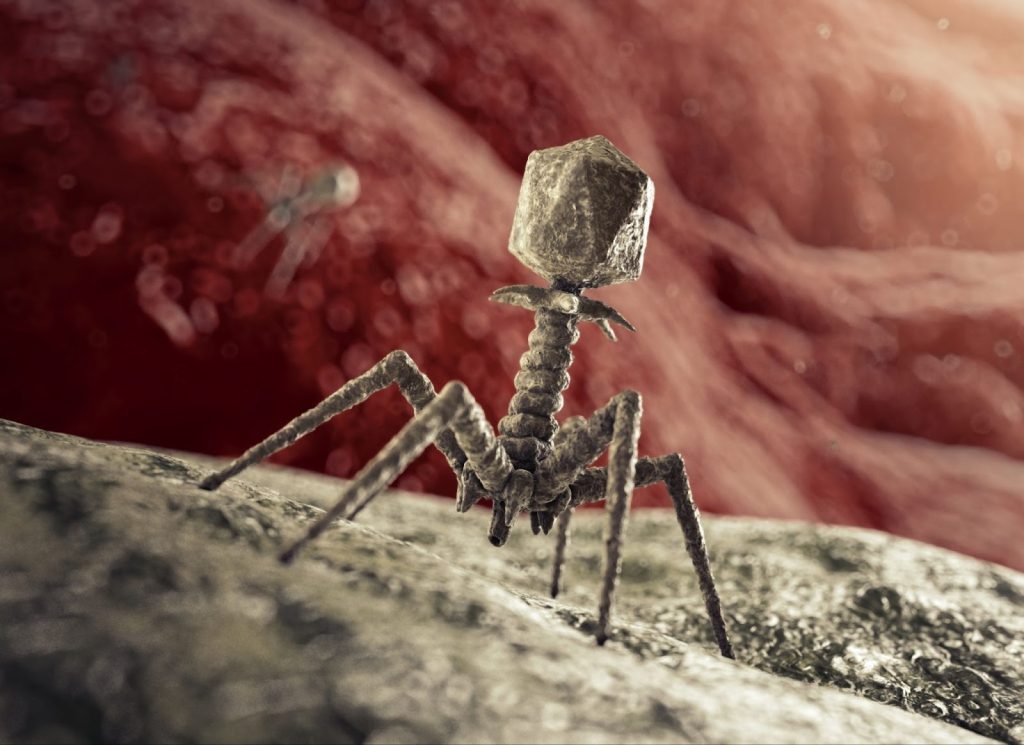
Bacteriophages (phages) look like aliens… [Credits: fpm/Getty Images]
Tartu Observatory
J-PAS is a large international astronomy project. Researchers are building a massive 3D map of the cosmos by observing hundreds of millions of galaxies and stars and are studying how it has evolved over time. They are trying to answer numerous questions about the cosmos. Why is the universe expanding faster and faster? What is dark energy? What is dark matter? I am intrigued, but again we need to wait for the publications…

This is an early part of a 3D map of the Universe, covering 12 square degrees and about 550,000 objects. [Credits: Jose Luis Lamadrid/CEFCA]
Institute of Technology
The Molecular Plant Physiology Lab studies how plants respond to environmental stress, such as drought. Their main focus is on tiny structures on leaves called stomata. These are microscopic pores on leaf surfaces that regulate the exchange of carbon dioxide and water. Again, due to climate change, it is essential to engineer drought-resistant crops that conserve water during drought.
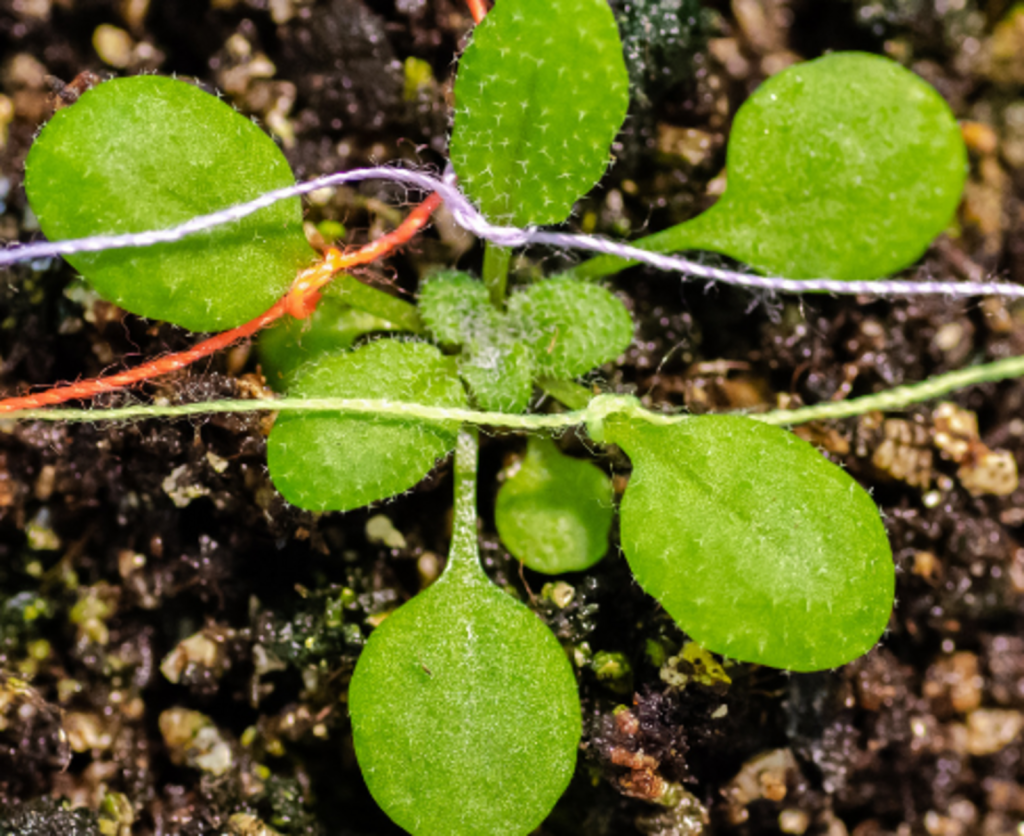
This is Arabidopsis, the plant that is used in experiments. [Credits: Kaspar Koolmeister (Institute of Technology website)]
Institute of Ecology & Earth Sciences
The Soil Ecology group researches life in the soil and how it supports entire ecosystems. Previously, it was thought that plants take up nutrients in fairly predictable, uniform ways. However, the research group discovered that one type of fungi lives in partnership with plant roots and helps plants absorb nutrients. Their research contributes to more sustainable agriculture and healthier ecosystems overall.
The Faculty of Science and Technology is not a collection of isolated disciplines, but a network of interconnected ideas, methods, and discoveries. Each of these projects inspires me to study more, achieve more, and think more creatively. To me, academic research (whether in business, art, or science) is a driving force that pushes society toward a better and more informed future.
Cover photo credits: University of tartu Virtual Tour (click here)
All images are the author’s own unless otherwise specified.


Leave a Reply