
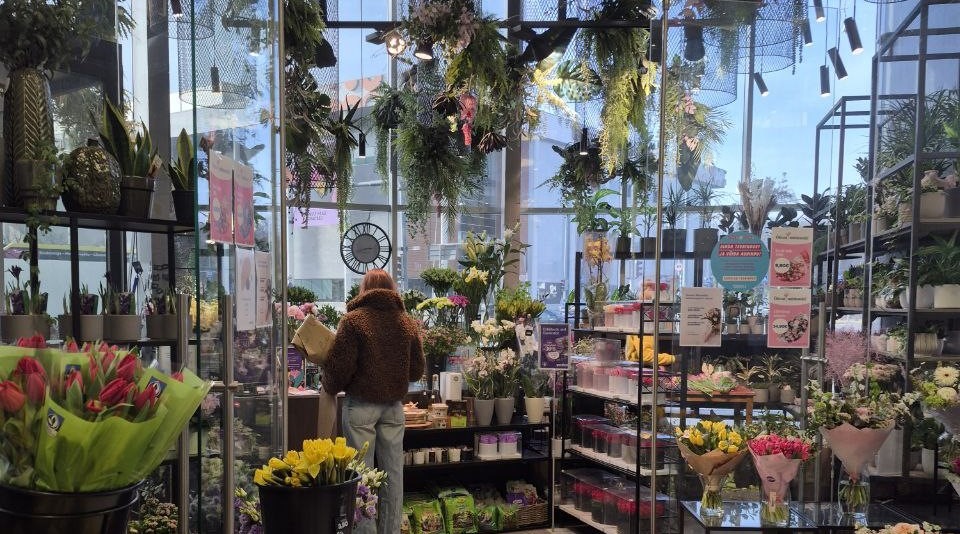
International Women’s Day is celebrated across the world. While in some countries it’s a holiday when people gift their partners, mothers and sisters flowers, others view it as an opportunity to recognise the achievements of women and advocate for gender equality. Regardless of if you grew up on the first or second model of celebration, I think it is important to know where this day comes from, what it represents, and how the culture of Women’s Day appeared in your country. In this blog, I will tell you how International Women’s Day reached Estonia, how it’s celebrated here and how the views and fight for equality have affected the University of Tartu.
Like any other Ex-Soviet country, the Estonian version of this day was celebrated with flowers and chocolates in honour of women. This culture remains to this day, especially among older generations. However, now that Estonia is a part of the European Union, awareness and activist views have started to spread. For many, it is a reminder that gender equality still requires effort.
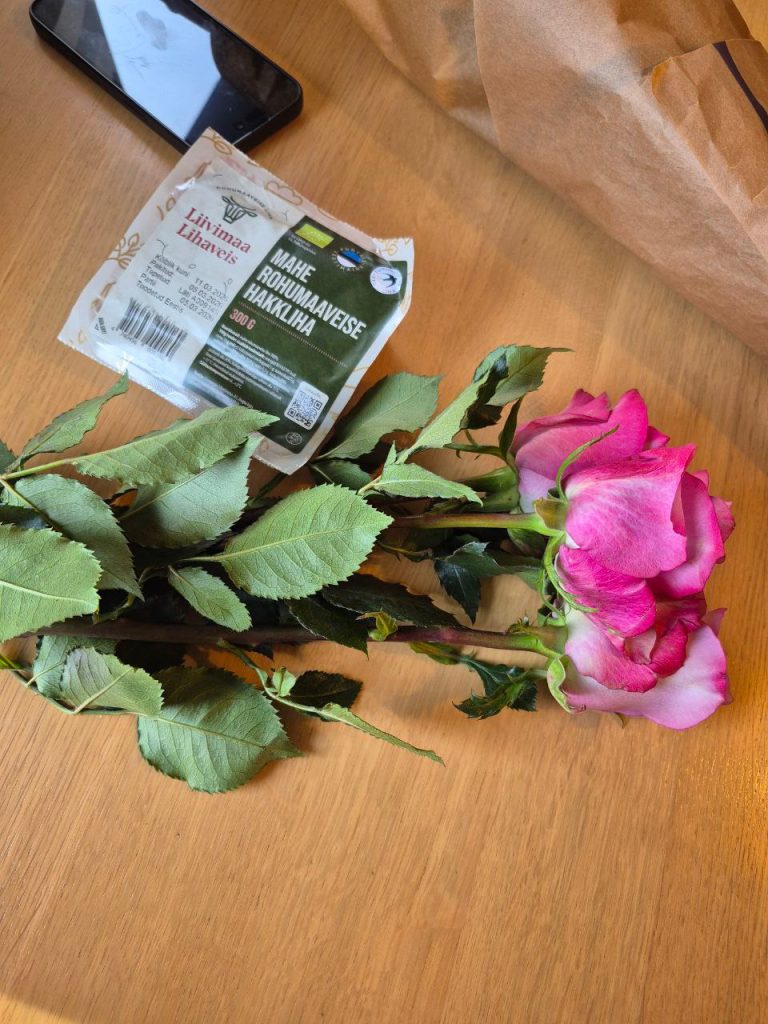
My friend gifted me flowers and meat, because I don’t eat sugar, so he couldn’t give me chocolate
Estonia, a country considered highly educated and innovative, has made significant progress in gender equality over the last 30 years. It is especially noticeable in spaces like the University of Tartu, where young minds are being shaped and where the academic environment is extremely important.
For students, Women’s Day is not only a symbolic day of appreciation but also a moment of reflection. Seeing women as leaders, scientists, entrepreneurs, and PhD students can change the misogynistic views on women’s “place” in the world. At UT, women are represented in many academic programmes, including life sciences, humanities, and, increasingly, STEM, even though they are underrepresented in fields like computer science and engineering. This makes all spaces for higher education a space for growth.
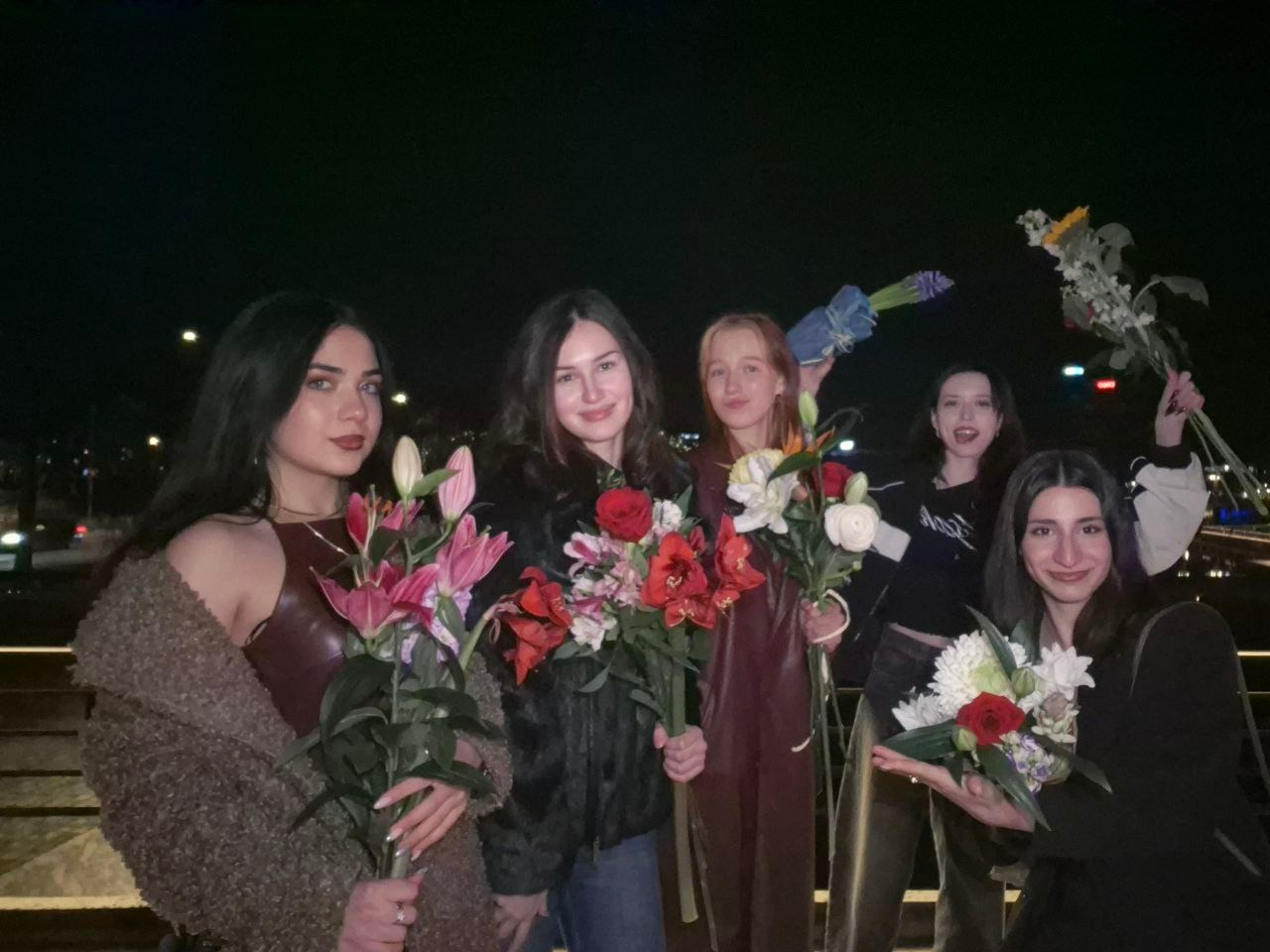
Here you can see future scientists, businesswomen, and amazing people who happen to be my friends.
While a lot has been done over the last few decades, there are still many aspects we can work on, such as personal biases in the classroom, the acknowledgement of women scientists, wage gaps, and female dynamics in authorship of scientific publications, personal harassment on the basis of gender, and much more.
If you have been a close follower of our social media pages, you may know that each year, the University of Tartu dedicates a day to the recognition of women in science. The university highlights the achievements of female researchers across disciplines through interviews, panel discussions, social media spotlights and statistical data. This is not only celebratory but also educational, reminding us that behind every piece of work is an individual deserving of visibility.
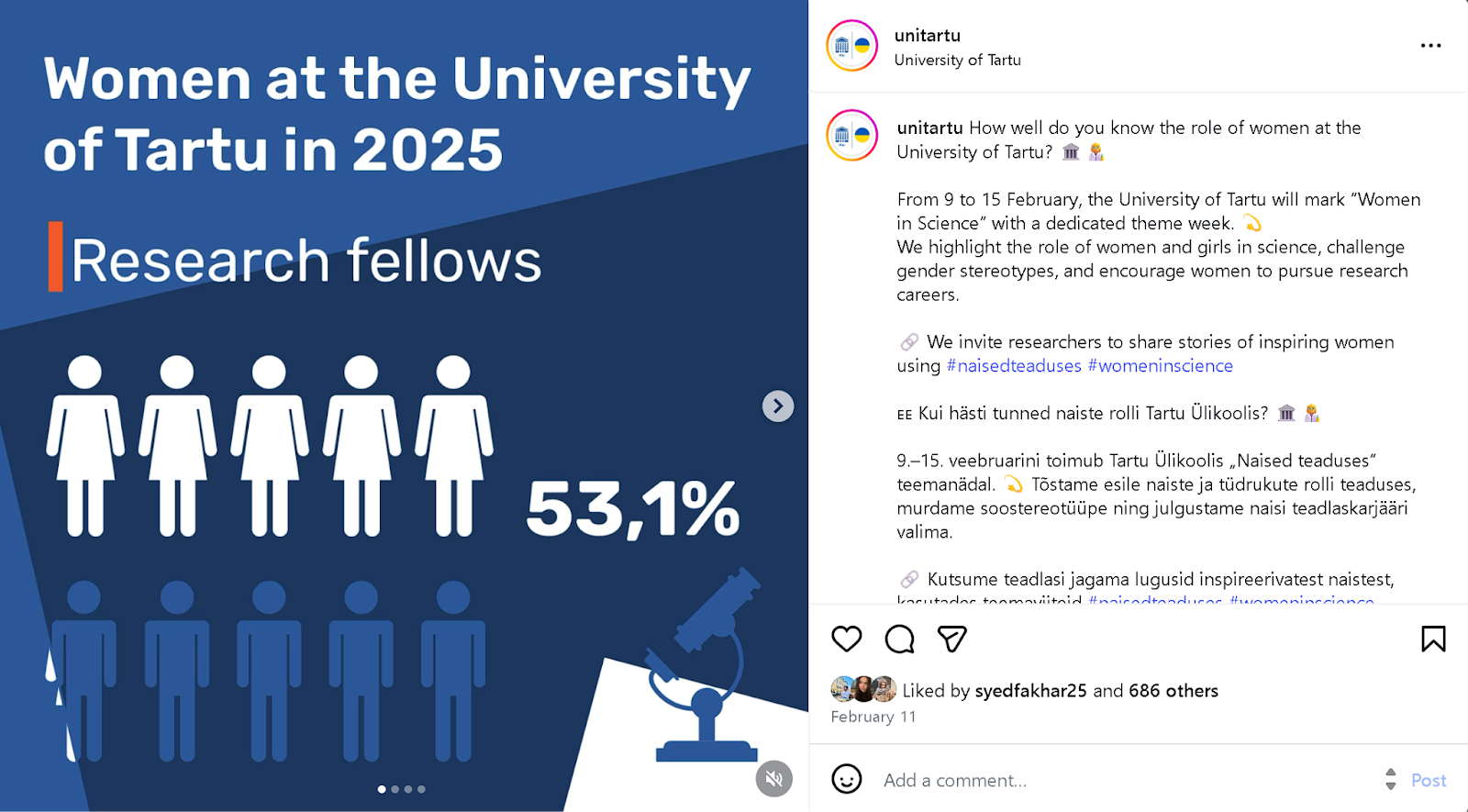
A screenshot from the UniTartu post, I highly recommend checking out the whole post here .
I myself, over the last 3 years of study at UT, have witnessed the work of and was honoured to work with so many incredible women. Intelligent and helpful lecturers, my groupmates, who are some of the smartest and most determined people I’ve known, academic staff, who have helped with so much paperwork, and my supervisor, who is one of the most efficient and skilled researchers I have had the pleasure to work with. Our society and the people who surround us affect our lives and decisions so much, and it’s very important not to limit yourself from the opportunity to know someone great just because of your prejudice based on gender.
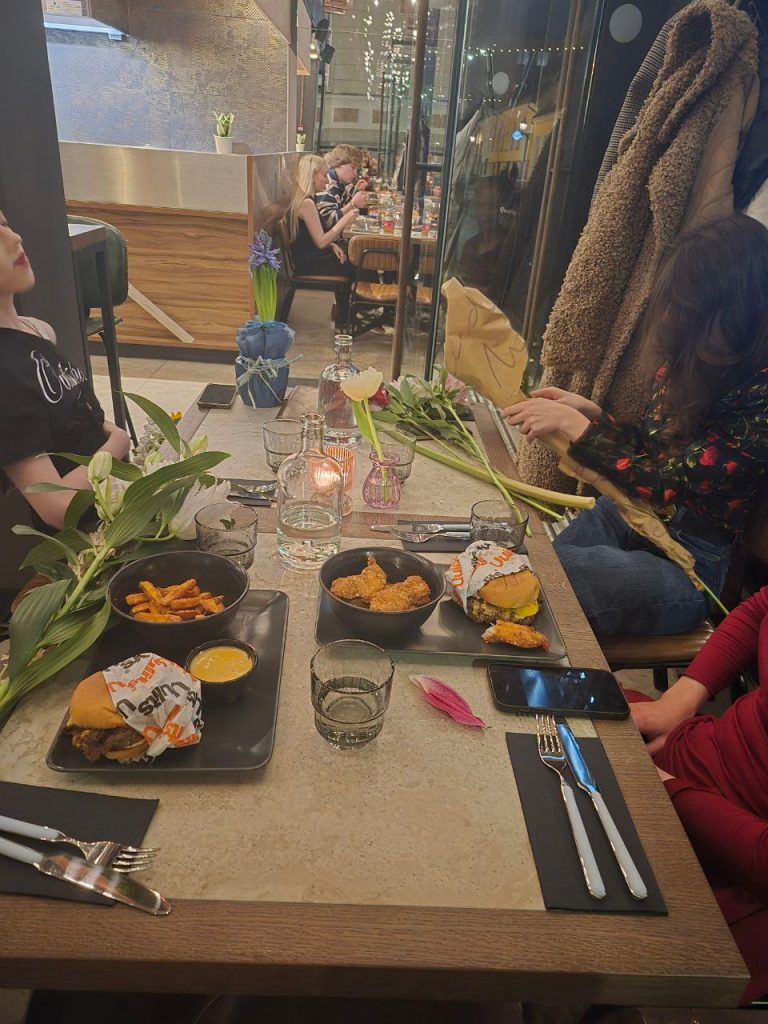
My girlfriends and I went out to dinner and bought each other flowers that we think represent us. Female friendships are like no other.
Progress made today does not mean that there is no use in us fighting for more. As students, researchers, and members of the academic community, we have the privilege and responsibility to shape a future in which gender norms do not influence our achievements in life or put people above one another. Whether through research, respectful dialogue, mentorship, or simply by acknowledging the achievements of the women around us, we contribute to a more balanced and fair academic space. So, perhaps, the best way to celebrate International Women’s Day is not only with flowers, but also with awareness, recognition, and respect that extend beyond March 8.
All images are the author’s own unless otherwise specified.




Leave a Reply